What Is Insurance and How Does It Work? A Simple Guide for Beginners
Insurance can seem complicated at first, but it’s actually a simple idea: protecting yourself from unexpected financial loss. Whether it’s a car accident, a medical emergency, or damage to your home, insurance helps you manage costs so you don’t face huge bills alone.
Many beginners think insurance is unnecessary or too expensive. Some even believe it’s only for the wealthy. The truth is, insurance is for everyone, and understanding it early can save you stress, money, and headaches.
This guide will walk you through the basics of insurance, explain key terms, show how it works step by step, and help you choose the right coverage for your needs. By the end, you’ll feel confident about protecting yourself and your family financially.
Understanding Insurance: The Basics
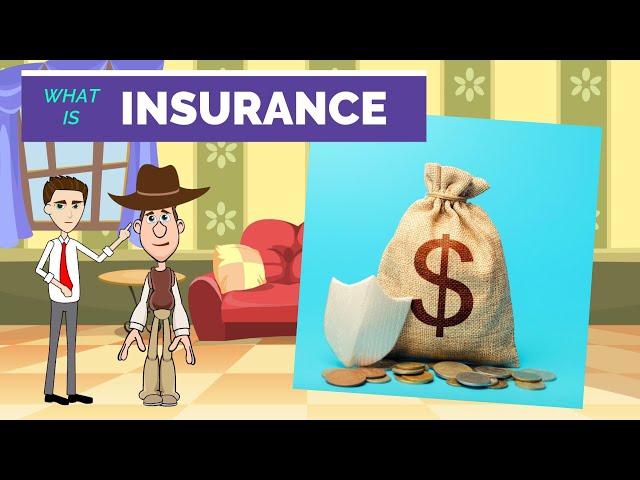
Insurance is essentially a safety net. It’s a way to protect yourself from financial loss by paying a small amount regularly, called a premium, to an insurance company. In return, the company promises to cover certain losses or damages that may happen unexpectedly.
The purpose of insurance is simple: it provides safety, peace of mind, and financial security. Without it, a single accident, medical emergency, or natural disaster could drain your savings.
Everyone should know about a few basic types of insurance:
- Life Insurance: Provides financial support to your family after your death.
- Health Insurance: Covers medical bills and hospital expenses.
- Auto Insurance: Protects you from costs related to car accidents.
- Home Insurance: Covers damage to your house due to fire, storms, or theft.
Example: Imagine your car gets damaged in an accident. Without insurance, you’d pay the full repair cost. With auto insurance, you pay a small monthly premium, and the insurance company covers most of the repair costs.
Keywords: what is insurance, insurance basics, beginner guide insurance
How Does Insurance Work?
Insurance works on a simple principle: you pay a little regularly to avoid paying a lot suddenly. Here’s how it works:
- Premiums: This is the amount you pay to the insurance company, usually monthly or yearly. Think of it as a subscription to financial protection.
- Policy: Your insurance policy is a contract. It lists what is covered, what isn’t, and how much the company will pay in case of a loss.
- Claims: When an accident, illness, or damage occurs, you file a claim with the insurance company to request payment.
- Deductibles: This is the amount you pay out of pocket before the insurance company contributes. For example, if your deductible is $500 and repair costs $2,000, you pay $500, and the insurance covers $1,500.
Example Story: Sarah has auto insurance. One day, she hits a curb and damages her car. She calls her insurance company, files a claim, and pays her $300 deductible. The insurance company covers the remaining $1,200 repair cost.
This system helps people avoid large unexpected expenses and gives financial peace of mind.
Keywords: how insurance works, insurance explained, insurance guide for beginners
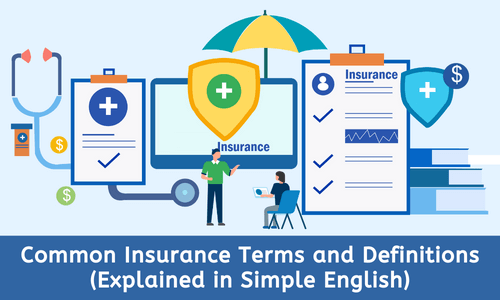
Key Terms in Insurance Everyone Should Know
Understanding insurance becomes easier when you know the basic terms:
| Term | Meaning |
|---|---|
| Premium | Money you pay regularly to maintain coverage. |
| Policyholder | The person who owns the insurance policy. |
| Beneficiary | Person who receives money from a life insurance policy. |
| Claim | A request for payment after a loss. |
| Coverage | What the insurance policy protects against. |
| Deductible | Amount you pay before insurance pays. |
| Risk | Possibility of loss or damage. |
| Underwriter | The person or company evaluating your insurance risk. |
Knowing these terms will make reading your policy easier and prevent misunderstandings.
Keywords: insurance terms explained, insurance glossary, beginner insurance terms
Types of Insurance and How They Protect You
Insurance comes in many types, each designed to protect you in different situations.
- Life Insurance: Provides money to your family if you pass away. Example: Your spouse can pay bills and cover education expenses for your children.
- Health Insurance: Covers hospital visits, treatments, and medications. Example: Surgery costs $5,000, but insurance reduces your expense to $500.
- Auto Insurance: Protects your car from accidents, theft, or natural disasters. Example: A car accident repair costs $1,200; your insurance handles most of it.
- Home Insurance: Covers damage from fire, storms, or theft. Example: Storm damages your roof; insurance pays for repair.
- Travel Insurance: Protects against trip cancellations or medical emergencies abroad. Example: Flight canceled due to illness; travel insurance reimburses you.
- Pet Insurance: Helps with vet bills and emergencies. Example: Your dog needs surgery; insurance covers a portion of the cost.
Understanding these types helps you decide which insurance policies are necessary based on your life stage, family needs, and assets.
Keywords: types of insurance, insurance for beginners, best insurance types
Why Insurance Is Important for Everyone
Insurance is essential for financial safety and peace of mind. Here’s why:
- Financial Safety: Protects you and your family during emergencies like accidents or medical emergencies.
- Peace of Mind: Reduces stress knowing unexpected expenses won’t ruin your finances.
- Legal Requirements: Some insurance, like auto insurance or home insurance for mortgages, is mandatory.
- Long-Term Planning: Helps with savings and financial planning for retirement or future goals.
Even young and healthy individuals benefit from insurance because accidents and illnesses can happen anytime. It’s about preparing for the unexpected.
Keywords: why insurance is important, benefits of insurance, insurance advantages
How to Choose the Right Insurance for You
Choosing insurance can feel overwhelming, but following these steps makes it easier:
- Assess Your Needs: Consider your life stage, family responsibilities, and assets.
- Compare Policies: Look at coverage limits, premiums, and benefits. Don’t just choose the cheapest option.
- Check Company Reputation: Read reviews and verify financial stability.
- Tips for Beginners: Always read the fine print and ask questions if something isn’t clear.
Example: A young single adult might prioritize health and auto insurance, while a parent with a mortgage may need life and home insurance as well.
Keywords: choosing insurance, best insurance for beginners, insurance tips
Common Mistakes Beginners Make in Insurance
Beginners often make simple mistakes that cost money or reduce coverage:
- Buying too little coverage: Underestimating risk can lead to huge out-of-pocket expenses.
- Not understanding terms: Misreading policy clauses can cause denied claims.
- Ignoring policy updates: Coverage changes over time; staying updated is important.
- Overpaying for unnecessary coverage: Extra add-ons may not be needed.
Avoiding these mistakes ensures your insurance works when you need it most.
Keywords: insurance mistakes, common insurance errors, insurance beginner tips
Tips to Save Money on Insurance
Insurance doesn’t have to be expensive. Here’s how beginners can save:
- Compare Quotes Online: Multiple quotes help find the best price.
- Bundle Policies: Combine home and auto insurance for discounts.
- Maintain Good Credit: Better credit scores can reduce premiums.
- Avoid Unnecessary Claims: Frequent small claims can increase rates.
Smart shopping and careful use of insurance can lower costs without sacrificing protection.
Keywords: save money on insurance, insurance discounts, insurance tips for beginners
Conclusion
Insurance is a powerful tool that protects you and your loved ones from financial setbacks. By understanding what insurance is, how it works, and why it’s important, beginners can make informed decisions and choose the right coverage for their needs.
Start small, assess your risks, and take steps today to secure your financial future. Start understanding insurance today to protect yourself and your loved ones.
FAQ (Optional for Schema SEO)
Q1: What is insurance in simple terms?
Insurance is a way to protect yourself from financial loss by paying a regular premium to an insurance company, which covers certain unexpected costs.
Q2: How does insurance work for beginners?
You pay premiums regularly, and in return, the insurance company helps cover costs of accidents, damage, or health emergencies based on your policy.
Q3: Which type of insurance should I buy first?
Start with essential coverage like health, auto, or life insurance depending on your personal needs and risks.